
Executive functions are essential mental skills that help individuals plan, focus, remember instructions, and juggle multiple tasks effectively. These cognitive processes are foundational in a child’s development and are directly linked to their ability to succeed in academic, social, and emotional situations. While much of the research on executive functions has been conducted in the context of education and developmental psychology, an emerging area of interest is how these functions can be enhanced through activities like music.
What Are Executive Functions?
Executive functions are a set of high-level cognitive processes that enable individuals to control their thoughts, actions, and emotions in pursuit of goals. These functions can include inhibition, working memory, planning, organization, cognitive flexibility and self regulation.
In children, these functions are still developing and can significantly impact their academic performance, behavior, and social interactions.

The Role of Music in Enhancing Executive Functions
Music, whether through learning to play an instrument, singing, or participating in musical activities, has been shown to have a profound effect on the development of executive functions. The connection between music and executive functions is particularly strong because of the cognitive demands that music-making places on the brain.
Inhibition and Self-Control: Music requires children to listen attentively, wait for cues, and follow rules, all of which demand self-control.
Working Memory: Musical training, especially playing instruments, strengthens a child’s working memory. Musicians must remember musical notes, rhythms, and timing.
Cognitive Flexibility: When children engage with music, they often must switch between different skills or adapt to new pieces. For instance, playing an instrument requires them to alternate between listening, reading music, coordinating hand movements, and adjusting pitch and timing.
Planning and Organization: Learning a musical piece involves planning and practice. Children must break down complex musical compositions into smaller, manageable parts, much like how they must tackle academic tasks by breaking them into steps.
The Psychological Importance of Executive Functions in Children
Executive functions are crucial for children because they are linked to several aspects of life, including academic success, social behavior, and mental health. Children with strong executive function skills tend to perform better in school, have better relationships with peers and adults, and display better emotional regulation.
From a psychological perspective, executive functions are also predictive of a child’s overall well-being. For example, children with deficits in executive functions, such as those with ADHD or other neurodevelopmental disorders, may struggle with impulse control, maintaining focus, and organizing tasks. This can lead to frustration, lower self-esteem, and challenges in academic and social settings. Therefore, fostering the development of executive functions can have significant implications for a child’s long-term mental health.
Music as a Tool for Cognitive and Emotional Development
Engaging with music is not just a way to enhance cognitive functions; it can also provide emotional benefits. Music can serve as an outlet for expression, a source of comfort, and a way to regulate emotions. For children, music provides a safe space to explore their emotions, cope with stress, and develop resilience.
Incorporating music into children’s daily routines, whether through structured lessons or casual play, offers a unique way to support their overall development. Not only does it provide an avenue for creativity and fun, but it also fosters essential executive functions that will serve them throughout their lives.

Incorporating music into a child’s life is more than just an enjoyable pastime—it is an essential tool for cognitive and emotional development. Executive functions, which are vital for learning, self-regulation, and social behavior, are significantly enhanced through musical activities.
Are you interested in this topic?
Follow me and Tiziana and feel free to join our Cognitive Crescendo – Music and Executive Functions community on facebook!

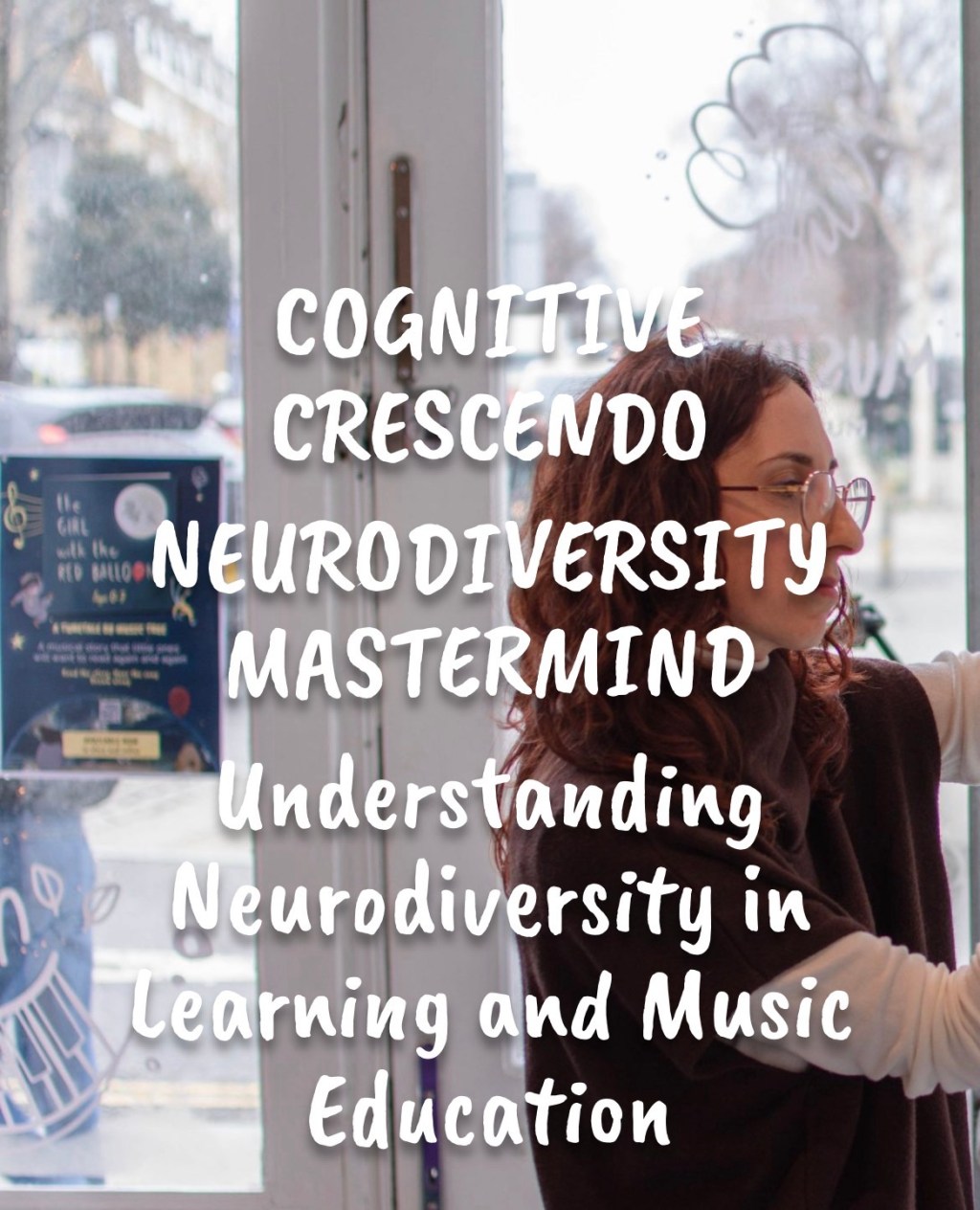


 Flavia Capoano
Leave a comment