
ADHD is deeply misunderstood.
Most people think it’s just “being easily distracted.”
But ADHD is a complex neurological condition—and it comes with strengths most people never talk about.
Here are 8 truths about ADHD everyone should know:
- It’s not a lack of attention—it’s a dysregulation of it.
People with ADHD can hyperfocus for hours on what they love—and totally ignore everything else. It’s not about laziness, it’s about control.
- It’s not just a childhood thing.
ADHD often continues into adulthood. The symptoms just shift:
→ Less bouncing off the walls
→ More mental chaos, disorganization, and overwhelm
Many adults live undiagnosed for years.
- ADHD brains are wired for novelty and stimulation.
Routine can feel unbearable—but these brains thrive in:
→ High-pressure environments
→ Creative problem solving
→ Fast feedback loops
In the right setting, ADHD becomes a superpower.
- Rejection Sensitivity is real.
ADHD often includes RSD—Rejection Sensitive Dysphoria.
Criticism or perceived failure can feel crushing.
It’s emotional pain that gets misdiagnosed as mood disorders.
- Many ADHDers are natural entrepreneurs.
They’re:
→ Big-picture thinkers
→ Risk-takers
→ Unafraid of uncertainty
They struggle with rigid systems—but thrive when creating their own.
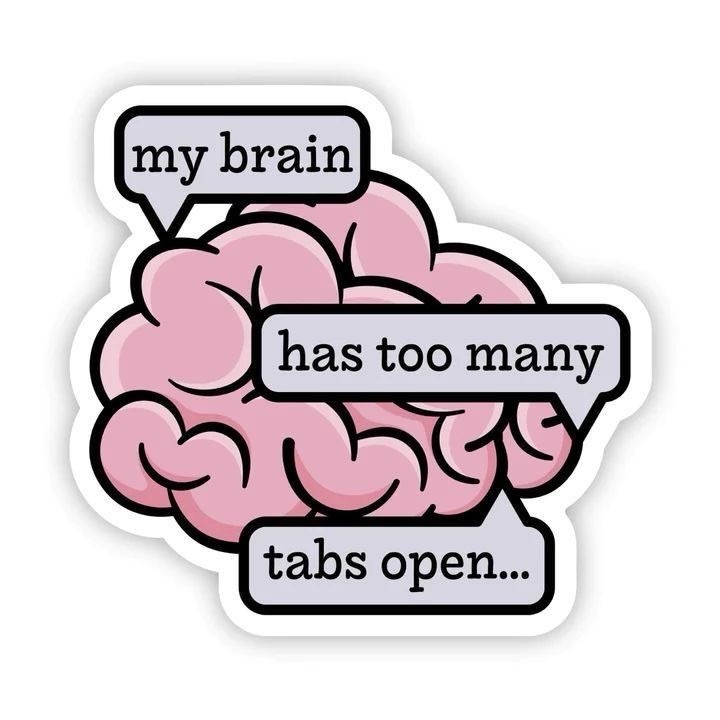
- Executive function is the real challenge.
ADHD affects the brain’s ability to:
→ Plan
→ Prioritize
→ Start/finish tasks
It’s not about intelligence—it’s about activation.
- Movement helps focus.
→ Pacing
→ Fidgeting
→ Walking while thinking
These aren’t distractions—they’re coping tools.
Even cardio can boost focus and mood.
- Structure can really means freedom.
Yes, really.
→ Lists
→ Calendars
→ Visual reminders
These tools reduce overwhelm and build momentum.
Structure doesn’t box ADHDers in, it frees them.
ADHD isn’t a flaw.
It’s a different operating system.
Do you want to know more? We still have few spaces left in our workshop in Bologna, 8-9 November.
Understand it. Support it. Harness it. Embrace it.



 Flavia Capoano
Leave a comment